
- Understanding the DJI Matrice 400: Specifications and Features
- Applications Across Industries: How the DJI Matrice 400 is Transforming Workflows
- Best Practices for Operating the DJI Matrice 400
- Real-World Success Stories: The Impact of the DJI Matrice 400
- Future Trends: The Evolution of Drone Technology in 2026 and Beyond
Understanding the DJI Matrice 400: Specifications and Features
The dji matrice 400 stands as a pinnacle in drone technology, specifically designed for enterprise solutions across various industries. With its robust specifications and advanced flight capabilities, this drone is not just a technological marvel but also a game-changer in fields that require precision, reliability, and efficiency. In this article, we’ll delve into the specifications, features, and benefits of the DJI Matrice 400, illustrating how it exceeds the demands of modern operations.
Key Technical Specifications of the DJI Matrice 400
The DJI Matrice 400 is engineered with cutting-edge technology that puts it ahead of its peers. Here are some of its standout specifications:
- Maximum Flight Time: 59 minutes, allowing for extended use without the need for frequent recharges.
- Payload Capacity: Can carry up to 6 kg, which supports various sensors and equipment.
- Obstacle Sensing: Features advanced LiDAR and mmWave radar systems for superior obstacle avoidance.
- Video Transmission Range: Up to 40 kilometers, enabling real-time data transmission even over long distances.
- IP55 Rating: Provides weatherproofing for operations in diverse environmental conditions.
Payload Capacity and Flight Duration Explained
The combination of impressive payload capacity and extended flight duration makes the DJI Matrice 400 a versatile tool for many applications. This drone’s ability to support heavy equipment allows operators to utilize multiple sensors simultaneously, such as infrared cameras for thermal imaging and high-resolution optical cameras for detailed surveys. The notable flight duration significantly reduces operational costs by extending mission times, which is particularly beneficial in sectors like agriculture, construction, and search and rescue.
Advanced Safety Features of the DJI Matrice 400
The DJI Matrice 400 is built with safety as a primary focus. Its advanced obstacle detection system incorporates both LiDAR and radar technologies, offering multidimensional awareness of its surroundings. This mitigates the risks of collisions during complex flight paths. Additionally, the drone’s redundant battery systems ensure reliability, allowing for safe landings even if one battery experiences a malfunction. Such features are critical in mission-critical operations where safety cannot be compromised.
Applications Across Industries: How the DJI Matrice 400 is Transforming Workflows
As industries evolve, the demand for innovative solutions grows. The DJI Matrice 400 is transforming workflows across various sectors, providing solutions that enhance productivity, improve safety, and deliver critical insights.
Construction Monitoring and Progress Reporting
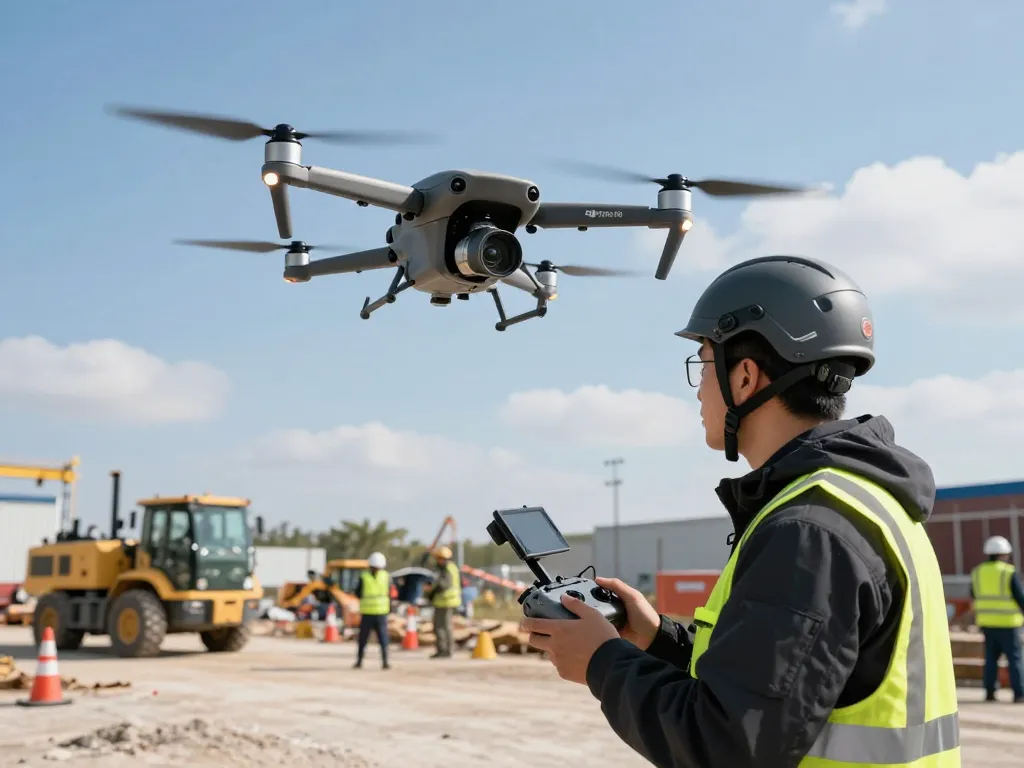
In construction, real-time monitoring of site progress is crucial. Utilizing the DJI Matrice 400, project managers can capture high-definition aerial imagery and video, facilitating better decision-making. This drone’s ability to provide consistent updates helps in tracking milestones and ensuring that projects stay on schedule and within budget. By integrating drone mapping software, teams can also create 3D models for further analysis.
Aerial Surveying for Agriculture and Land Management
The agricultural sector has seen significant advancements with the introduction of drone technology. The DJI Matrice 400 can survey vast areas quickly, collecting data that assists in crop health monitoring and land management. The drone’s multi-spectral camera capabilities allow farmers to analyze land conditions, optimize irrigation, and enhance yield predictions, fundamentally changing how agricultural operations are conducted.
Search and Rescue Operations Utilizing the Matrice 400
Perhaps one of the most compelling applications of the DJI Matrice 400 is within emergency response and search and rescue missions. In scenarios where time is critical, the drone’s high-definition cameras and thermal imaging capabilities allow teams to search large areas swiftly and effectively. Its ability to operate in adverse weather conditions also ensures that rescue operations are not hindered by environmental factors.
Best Practices for Operating the DJI Matrice 400
To maximize the potential of the DJI Matrice 400, operators must adhere to best practices. These include comprehensive pre-flight checks, understanding legal requirements, and leveraging flight techniques that enhance safety and efficiency.
Preparation and Pre-Flight Checklist for Safe Operations
Prior to operating the DJI Matrice 400, it’s essential to conduct a thorough pre-flight inspection. Operators should check all hardware components, ensure proper calibration of sensors, and verify battery levels. Also, understanding environmental conditions, including wind speed and nearby obstacles, is crucial for safe operations.
Flight Techniques to Maximize Efficiency and Safety
Adopting best flight techniques enhances both safety and operational efficiency. For instance, maintaining optimal altitude during flights can minimize the risk of accidents while allowing for better data collection. Additionally, utilizing waypoint navigation can streamline missions, enabling the drone to follow predefined paths autonomously.
Legal Considerations and Regulations for Drone Use
Operators must comply with local regulations and guidelines governing drone usage. This includes understanding airspace restrictions, obtaining necessary licenses, and adhering to safety protocols to ensure responsible and legal drone operations. Failure to comply can result in significant penalties and jeopardize future operations.
Real-World Success Stories: The Impact of the DJI Matrice 400
Success stories illustrate the transformative impact of the DJI Matrice 400 across various industries. These examples highlight how businesses have leveraged the drone’s capabilities to achieve remarkable results.
Case Study: Enhancing Construction Sites with Aerial Insights
A leading construction company implemented the DJI Matrice 400 to enhance project oversight. By capturing aerial footage and generating real-time data, they improved communication among stakeholders and reduced project delays by 20%. This not only optimized resources but also led to higher client satisfaction.
Using the DJI Matrice 400 in Environmental Monitoring Projects
An environmental research team utilized the DJI Matrice 400 for monitoring wildlife and assessing vegetation health in remote areas. The drone enabled them to gather data that was previously inaccessible, leading to improved conservation strategies and effective resource management.
Success Stories from Emergency Services Using the Matrice 400
Emergency services have successfully integrated the DJI Matrice 400 into their operations. In one notable instance, a fire department used the drone to monitor forest fire progression, allowing for more strategic response actions. This use of aerial surveillance not only saved lives but also increased the effectiveness of firefighting efforts.
Future Trends: The Evolution of Drone Technology in 2026 and Beyond
The landscape of drone technology is ever-evolving, with exciting advancements on the horizon. As we look to the future, several trends are shaping the next generation of drone operations.
Emerging Technologies and Enhancements for the Matrice Series
As technology advances, the DJI Matrice series is expected to incorporate new features such as improved battery technologies and enhanced sensors. These innovations will extend flight times and increase operational versatility, making drones even more integral to enterprise solutions.
Integration with AI and Machine Learning for Smarter Operations
The integration of artificial intelligence (AI) and machine learning into drone operations is poised to revolutionize various industries. These technologies will enable drones to analyze data in real-time, making autonomous decisions that can enhance mission outcomes and operational efficiency.
Predictions for Drone Regulations and Industry Standards
As drone usage continues to grow, regulatory frameworks are expected to evolve. Government agencies will likely implement more comprehensive guidelines addressing safety, airspace usage, and privacy concerns, shaping the future landscape of drone operations.
How long can the DJI Matrice 400 fly on a single charge?
The DJI Matrice 400 boasts an impressive maximum flight time of 59 minutes under optimal conditions, making it one of the leaders in its category.
What industries benefit most from the DJI Matrice 400?
Industries such as construction, agriculture, public safety, and environmental monitoring stand to gain significantly from the capabilities offered by the DJI Matrice 400.
Are there specific training requirements for operating the DJI Matrice 400?
While anyone can learn to operate the DJI Matrice 400, training or certification may be required based on local regulations, especially for commercial use.
What safety features should users be aware of?
Users should take note of the drone’s advanced obstacle sensing capabilities and redundant systems that enhance safety during operations.
How does the DJI Matrice 400 compare to other drones in its class?
Compared to other drones in its class, the DJI Matrice 400 offers superior payload capacity, flight duration, and safety features that make it a preferred choice for enterprise solutions.




More Stories
6 Critical pc optimizer Metrics You Should Track for Effective Cybersecurity
dejny.eu Head to Head: Innovative Digital Portfolio Strategies for Creative Minds
ulpressbureau.ma Case Study: Proven Strategies for Laptop Shopping Success