Understanding Colonial Home Construction
Colonial home construction is a time-honored approach to building that is rooted in American history. These homes embody tradition, elegance, and a distinctive architectural flair that resonates with many homeowners today. For those considering this style, understanding the intricacies of colonial home construction can be pivotal. This article delves into defining characteristics, material choices, layouts, construction practices, and maintenance tips to give you a comprehensive grasp of this charming home style.
What Defines Colonial Home Design?
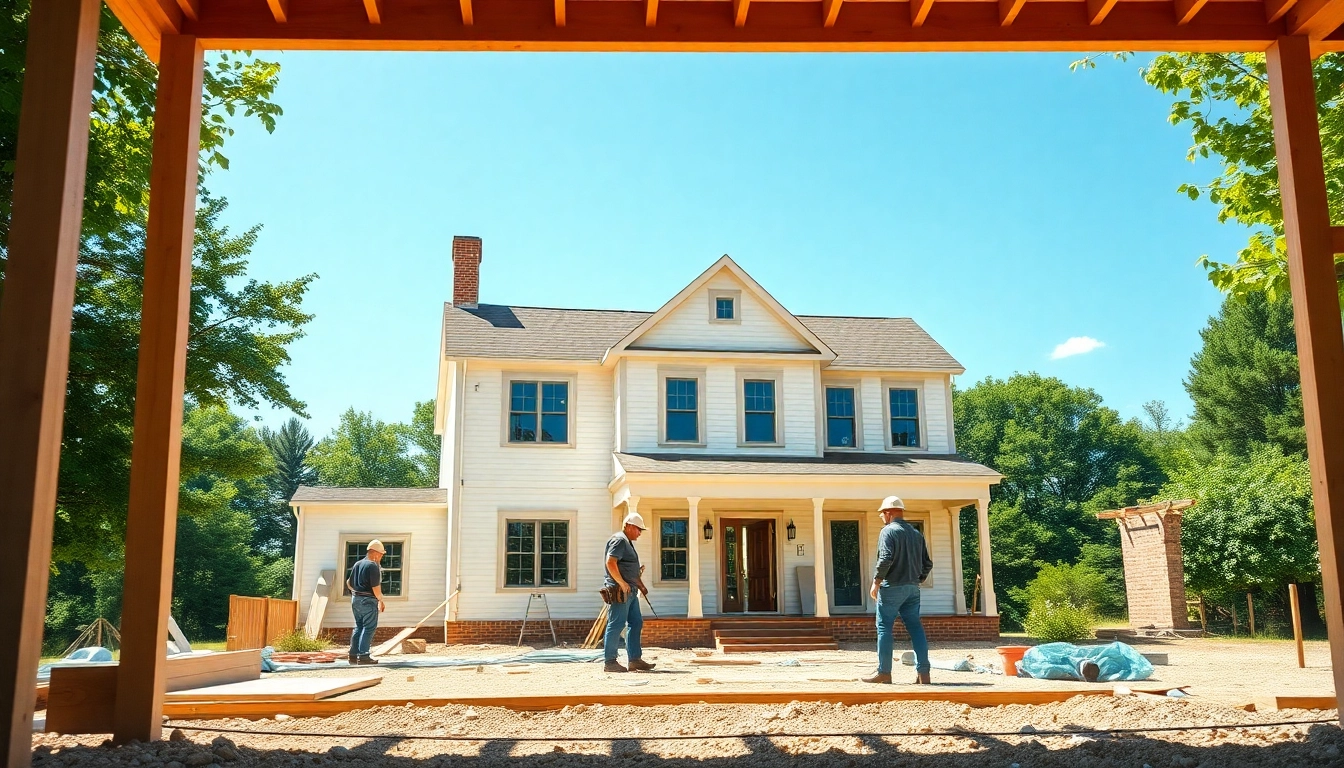
Colonial style homes are characterized by symmetry, proportion, and a classic aesthetic. Typically, they feature two or three stories, providing ample living space. The roof is often steeply pitched, and the homes usually include a central front door flanked by evenly spaced windows. This architectural style draws inspiration from the earliest European settlers, blending aspects from various regions such as the Dutch, Spanish, and English styles. Colonial home construction is not just a reflection of past architecture but rather a living tradition that continues to evolve while retaining its core principles.
Key Features and Characteristics
Every colonial home shares certain quintessential elements, making them easily recognizable. Here are some standout features:
- Symmetry: Both the front elevation and interior spaces typically exhibit a balanced arrangement.
- Windows: Double-hung, multi-paned windows are common, often with shutters on either side for aesthetic appeal.
- Materials: Colonial homes were traditionally constructed using wood, brick, and stone, giving them durability and warmth.
- Chimneys: Often centrally located, chimneys are a common element that contributes to the classic look.
- Porches: Many colonial homes feature front porches or porticos, which enhance curb appeal.
Historical Context and Relevance
Colonial architecture emerged during the early 17th century, influenced by European settlers who brought their building techniques and styles to America. Each region adapted colonial construction to local resources and climates, leading to variations such as Cape Cod, Georgian, and Federal styles. These homes serve not only as a physical dwelling but also as a historical narrative, preserving the cultural heritage of the United States. Today, colonial homes continue to hold value due to their aesthetic appeal and historical significance, making them a popular choice among buyers.
Choosing the Right Materials
Material selection plays a crucial role in the construction of colonial homes. Choosing the right materials not only affects the home's aesthetic but also its durability and energy efficiency. It’s essential to weigh options based on quality, sustainability, and cost.
Essential Materials for Colonial Home Construction
Identifying the essential materials contributes greatly to achieving an authentic colonial look. Here are the primary materials commonly used:
- Brick: Often used in southern colonies, brick offers a robust, timeless quality.
- Wood: Typically, timber is used for framing and decorative accents, lending warmth to the design.
- Stone: Foundational stones provide strength and can be displayed for aesthetic appeal, especially in colonial homes built in New England.
- Shingles: Wood or asphalt shingles create the characteristic rooflines stylishly.
Evaluating Quality and Sustainability
When selecting materials, consider not only aesthetics but also durability and environmental impact. High-quality materials may have a higher initial cost but offer longevity and reduced maintenance expenses over time. Sustainable materials, such as reclaimed wood or locally sourced bricks, not only minimize environmental impact but also add character to the home. Moreover, energy-efficient insulation and windows contribute to long-term savings and comfort.
Cost Considerations for Quality Materials
It’s important to establish a budget that accommodates both quality and authenticity in colonial home construction. While higher-quality materials can be more expensive upfront, they often yield better long-term value. Prioritize spending on structural materials like framing and roofing while being flexible with decorative elements to maintain budget constraints. Engaging with architects or builders who specialize in colonial-style homes can provide critical insights into cost-effective solutions without compromising the overall aesthetic.
Planning Your Colonial Home Layout
A carefully planned layout is fundamental to maximizing space and ensuring comfortable living. Colonial homes typically adhere to a traditional layout that balances formality with functionality.
Optimal Space Utilization Techniques
Utilizing space effectively involves strategic planning during the design phase. Given the often symmetrical nature of colonial architecture, consider the following techniques:
- Open Floor Plans: While traditional colonial designs focus on defined spaces, modern adaptations may incorporate open floor plans that enhance flow.
- Functional Entrances: Multiple entrances can decentralize spaces, allowing for easy access and movement.
- Basements: Utilize basement areas for additional living, storage, or recreational space to maximize the property’s potential.
Incorporating Modern Amenities
Modern amenities are essential for convenience while preserving the charm of colonial homes. Integrating tech-friendly features like smart lighting, energy-efficient appliances, and advanced HVAC systems can enhance comfort and efficiency. It’s crucial to blend these modern touches with the overall colonial aesthetic to create a harmonious environment.
Designing for Energy Efficiency
Energy efficiency should be a priority in any home design. To achieve this in a colonial home:
- Quality Insulation: Investing in high-quality insulation prevents energy loss, keeping homes warm in winter and cool in summer.
- Energy-Efficient Windows: Installing double-paned or low-E glass windows minimizes air leakage and reduces heating costs.
- Passive Design: Utilize natural sunlight and ventilation to reduce reliance on artificial heating and cooling systems.
Construction Techniques and Best Practices
To ensure a successful building process, employing the right construction techniques and practices is vital. Focusing on quality while following best practices leads to a beautifully constructed colonial home.
Hiring Qualified Professionals
Building a colonial home requires specialized knowledge and skill. Hiring qualified contractors, architects, and interior designers experienced in colonial home construction is crucial. Seek professionals with strong references and portfolios that reflect their ability to construct authentic colonial homes. Collaboration and clear communication throughout the process will enhance the outcome and integrity of the design.
Managing the Construction Timeline
Planning effectively for the construction timeline can prevent delays and budget overruns. It is essential to establish realistic time frames, allowing time for unforeseen challenges. Utilize project management tools to track progress and communicate openly with your contractors about milestones and adjustments needed.
Ensuring Safety and Compliance
Compliance with building codes and safety standards is non-negotiable. Ensure that all permits and inspections are managed correctly to avoid legal pitfalls. Hire licensed professionals who understand local regulations and can navigate the complex landscape of construction standards.
Maintenance and Upkeep of Colonial Homes
Once your colonial home is built, ongoing maintenance is essential to preserve its appeal and structural integrity. Proper upkeep can extend the life of critical elements and enhance the home's value.
Long-Term Care Tips for Preservation
Maintaining a colonial home requires regular inspection and care. Here are some tips:
- Regular Inspections: Conduct annual inspections of roofing, siding, and foundations to catch issues early.
- Painting and Sealing: Keep wood surfaces painted or sealed to protect against moisture and deterioration.
- Landscaping: Proper landscaping can redirect water away from your home’s foundation, protecting it from damage.
Common Issues and How to Address Them
Over time, colonial homes can present common issues such as wear on wood, roofing problems, or foundation settling. Addressing these promptly can prevent costly repairs and structural damage:
- Wood Rot: Regularly check wooden elements for signs of rot and replace affected areas.
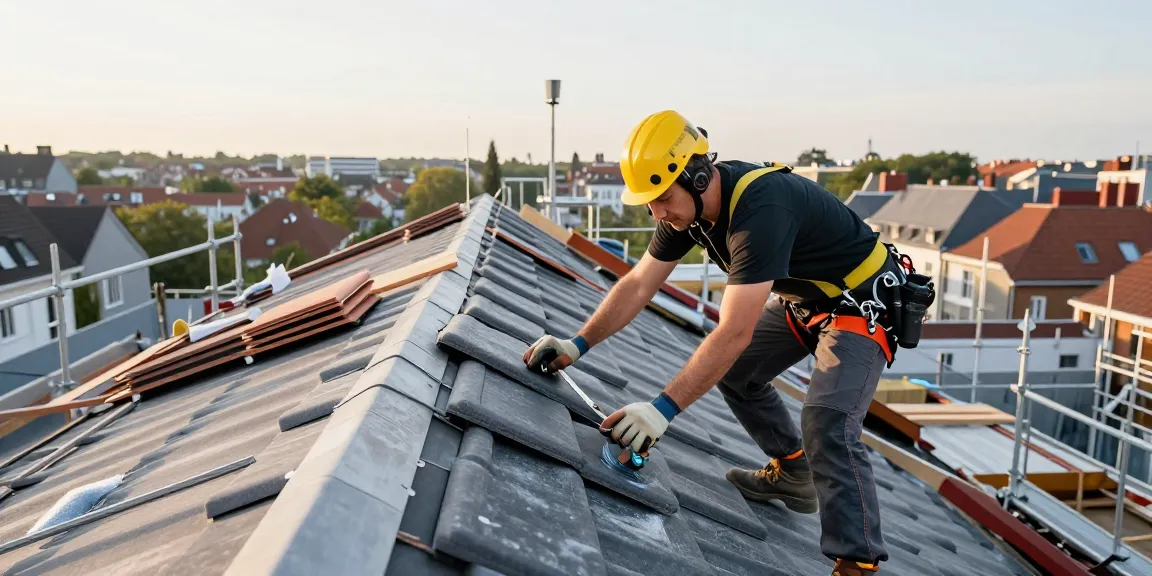
- Roof Maintenance: Clean gutters and inspect shingles to avoid water damage.
- Foundation Repairs: Monitor for water damage or cracks and consult a professional for repairs as needed.
Renovation Ideas for Modern Homeowners
Renovations can breathe new life into a colonial home while respecting its historical roots. Consider adding modern amenities such as open-concept spaces, updated kitchens, and energy-efficient systems to enhance livability without sacrificing charm. Preservation-minded renovations focus on maintaining original features while upgrading what’s necessary to meet contemporary standards.
FAQs About Colonial Home Construction
What is the typical style of colonial homes?
Colonial homes typically feature symmetrical facades, steeply pitched roofs, and centrally located front doors, often with decorative shutters and elaborate cornices.
Are colonial homes energy-efficient?
Many colonial homes can be energy-efficient with the right insulation, modern windows, and energy-saving features, improving comfort and lowering utility bills.
What materials are best for colonial home construction?
Common materials include brick, wood, and stone, often chosen for their durability and classic aesthetic. Sustainability and quality are also key considerations.
How can I modernize a colonial home?
You can modernize a colonial home by updating kitchens and bathrooms, enhancing energy efficiency, and incorporating open-plan designs while respecting its historic character.
What are the benefits of owning a colonial home?
Colonial homes offer timeless architectural beauty, ample space, and historical significance, making them appealing for those looking for classic elegance and comfort.