Understanding the Image to 3D Process
The evolution of technology has led to groundbreaking advancements in various fields, and one of the most fascinating is the Image to 3D process. Transforming 2D images into 3D models enables creators to bring their ideas to life with unprecedented ease. This article delves into the intricacies of this technology, exploring the transition, the key technologies involved, and addressing common misconceptions that surround 3D modeling.
What is Image to 3D Transition?
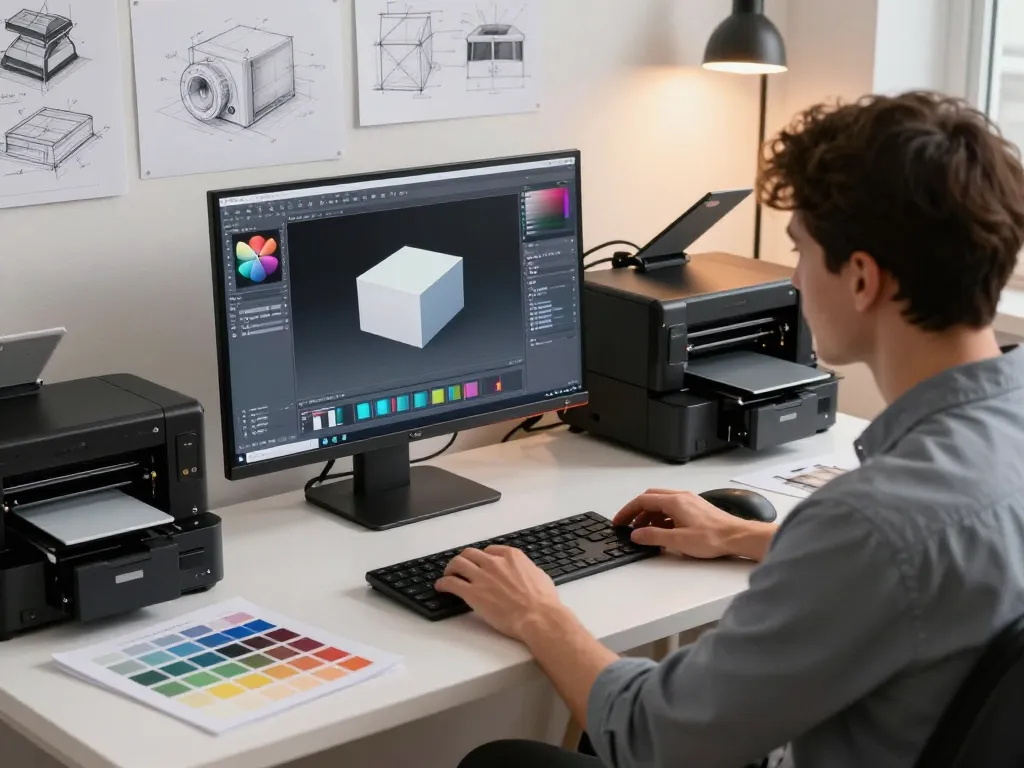
The transition from a 2D image to a 3D model is a process that allows for the creation of three-dimensional representations of objects, scenes, or characters derived from flat images. This conversion is crucial in numerous industries, including gaming, animation, product design, and architecture. The ability to visualize a design from multiple perspectives enhances understanding and facilitates better decision-making in the design process.
Key Technologies Behind Image to 3D
Several technologies contribute to the effectiveness of the image to 3D transformation process:
- Machine Learning & AI: These technologies analyze the 2D image's features and predict how they should appear in three dimensions.
- Photogrammetry: This technique involves capturing multiple images of an object from various angles to create a detailed 3D representation.
- 3D Modeling Software: Programs like Blender, Autodesk Maya, and ZBrush enable the refinement and manipulation of 3D models generated from images.
Common Misconceptions about 3D Modeling
Despite its growing popularity, many misconceptions exist about 3D modeling, particularly regarding the image to 3D process. One common myth is that creating 3D models requires advanced technical skills and extensive experience. However, many modern tools are designed to be user-friendly, allowing novices to create impressive 3D models with minimal effort.
Tools and Software for Image to 3D Transformations
To navigate the world of image to 3D conversions effectively, users have access to a multitude of tools and software. Understanding the differences between these options can significantly enhance the user experience and output quality.
Top Image to 3D Software Options
Some of the most reputable software options available for transforming images to 3D include:
- Meshy AI: A powerful online platform that allows users to upload images and generate 3D models quickly. It's renowned for its ease of use and robust features.
- Sloyd AI: Offers free and unlimited model generation where users can upload photos or sketches to create textured 3D models instantly.
- Tripo AI: Specifically designed for those with no prior 3D experience, this tool emphasizes speed and user-friendliness, producing detailed models in seconds.
Comparative Analysis of Image to 3D Tools
When selecting an image to 3D tool, it's important to consider several factors:
- User Interface: The ease of navigation and intuitiveness of the software is critical, especially for beginners.
- Output Quality: Different tools may produce varying levels of detail and realism in 3D models.
- Cost: While many tools offer free trials, the long-term costs associated with subscriptions or usage fees should be evaluated.
Choosing the Right Tool for Your Needs
Choosing the appropriate tool depends on your specific needs, experience level, and budget. For instance, if you're a beginner looking to experiment, free options like Sloyd AI may suffice. Conversely, if high precision and professional-grade outputs are required, investing in premium options like Autodesk Maya could be beneficial.
Real-World Applications of Image to 3D Technology
The applications of image to 3D technology are vast and varied. Industries are increasingly leveraging this technology to optimize workflows and enhance creativity.
3D Modeling in Product Design
In product design, 3D models derived from images help designers visualize product aesthetics, functionality, and marketability before moving to prototyping. This approach reduces the risk of costly changes later in the production process.
Educational Uses of Image to 3D Models
Many educational institutions are adopting image to 3D technology as a teaching tool. Students can create 3D representations of historical artifacts, biological structures, and more, facilitating an interactive learning experience.
3D Printing: From Image to Reality
The integration of image to 3D technology with 3D printing is particularly revolutionary. Designers can convert their digital 3D models into tangible objects, thereby streamlining the prototyping process and reducing time-to-market.
Best Practices for Effective Image to 3D Conversions
To achieve high-quality results in image to 3D conversions, certain best practices should be followed to enhance the modeling process.
Essential Skills for 3D Modelers
While modern tools simplify the 3D modeling process, developing a foundational understanding of design principles, spatial awareness, and familiarity with various software can significantly improve outcomes. Continuous learning and practice are essential for honing these skills.
Improving Quality in Image to 3D Processes
To enhance the quality of 3D models, consider the following strategies:
- Source Quality Images: Use high-resolution images with clear details, as these will provide better reference points for 3D modeling.
- Iterative Refinement: Continually refine models through user feedback and additional editing to improve realism and accuracy.
Common Challenges and How to Overcome Them
Despite the advancements in technology, several challenges persist in the image to 3D conversion process. Common issues include inaccuracies in model representation and scalability challenges. To address these, utilize tools that offer multiple conversion methods and allow for manual adjustments post-creation.
The Future of Image to 3D Technology
The landscape of image to 3D technology is rapidly evolving, with new inventions and applications emerging consistently. Staying informed about trends is essential for professionals looking to utilize this technology effectively.
Emerging Trends in 3D Modeling and Design
Some emerging trends include:
- Real-time Rendering: Advances in rendering technology are enabling faster and more realistic visualizations of 3D models.
- Integration with AR/VR: The alignment of 3D modeling with augmented and virtual reality platforms provides new opportunities for immersive experiences.
Predictions for Image to 3D Innovations in 2026
By 2026, it’s expected that image to 3D technology will become even more accessible, with increased automation through AI innovations, allowing users with minimal technical expertise to create high-quality 3D models from images effortlessly.
Preparing for Changes in the Digital Landscape
To thrive in this changing environment, professionals should focus on continuous skill development and adaptability, ensuring they stay ahead of the curve. It's critical to embrace new software tools and methodologies as they become available to remain competitive in the field.