
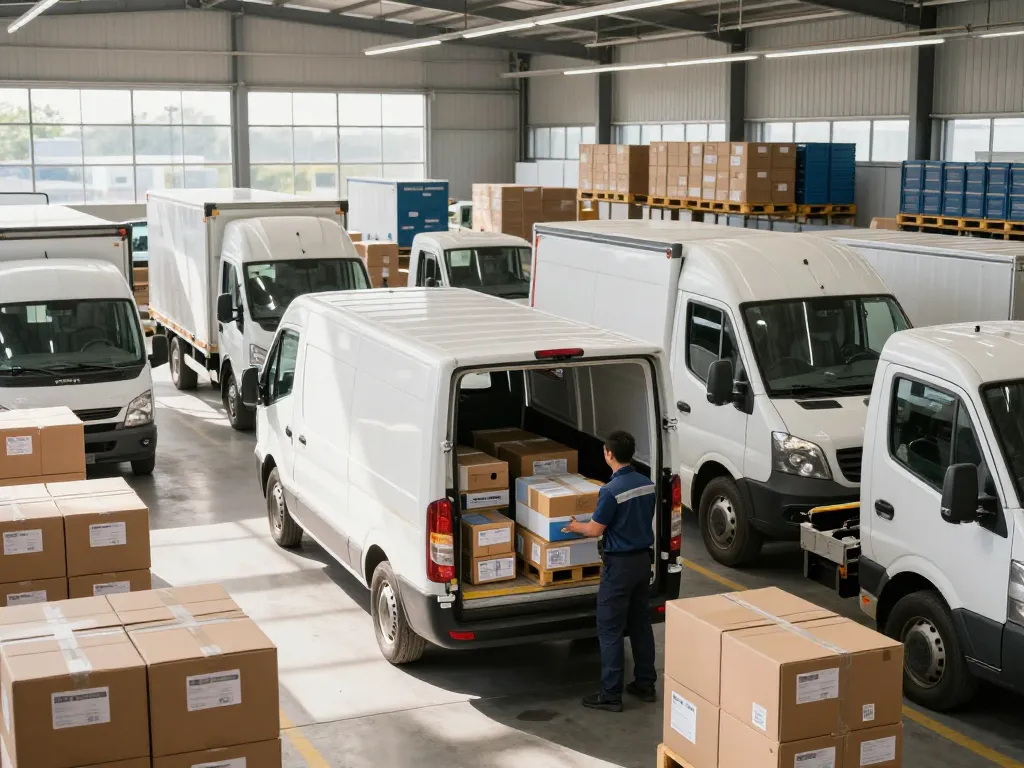
Understanding Time-Critical Logistics
In today’s fast-paced business environment, time-critical logistics has emerged as an essential component for organizations looking to maintain a competitive edge. By specializing in quick delivery services, logistics companies like Bennison Transport play a pivotal role in ensuring that goods reach their destinations without delay. Operating 24/7, we are equipped to collect loads within an hour, providing unmatched efficiency. This article delves into the intricacies of time-critical logistics, highlighting its importance, challenges, and best practices. For those exploring options, logistics solutions like ours offer comprehensive insights into how time-sensitive transport can enhance your supply chain.
What is Time-Critical Logistics?
Time-critical logistics refers to the management and execution of transporting goods that must arrive at a destination by a specific deadline. These services are often required in industries such as healthcare, manufacturing, and retail, where delays can result in significant financial losses or jeopardize operational integrity. Time-critical logistics emphasizes the importance of speed, reliability, and precision in meeting customer demands.
Key Components of Time-Critical Transport
There are several key components that define effective time-critical logistics:
- Rapid Response: The ability to respond quickly to customer needs is imperative. This includes prompt load collection, which can be accomplished within an hour in our operations.
- Real-Time Tracking: Advanced tracking systems ensure full visibility during transport, allowing both the service provider and the customer to monitor progress.
- Dedicated Fleet: Utilizing a fleet of vehicles tailored for different types of cargo ensures that all shipments are handled with the appropriate care and speed.
Importance of Speed and Reliability in Logistics
Speed and reliability are foundational in time-critical logistics. Customers expect their orders to be fulfilled quickly and without complications. Companies that prioritize these aspects often achieve higher customer satisfaction rates and repeat business. Additionally, reliability in logistics helps in maintaining brand integrity and trust among clients.
Challenges in Time-Critical Logistics
While time-critical logistics presents numerous advantages, it is not without its challenges. Understanding these obstacles is crucial for companies seeking to optimize their logistics strategies.
Common Obstacles to Efficient Transport
Some of the main hurdles in time-critical logistics include:
- Traffic Congestion: Urban areas often experience heavy traffic that can delay deliveries, emphasizing the need for strategic route planning.
- Unforeseen Circumstances: Issues such as vehicle breakdowns or adverse weather can disrupt schedules, necessitating contingency plans.
- Resource Allocation: Efficiently managing resources and personnel to handle urgent jobs can be a complex task.
Mitigating Risks in Logistics Operations
A proactive approach can help mitigate risks associated with time-critical logistics. This may include investing in robust logistics software that provides real-time data and analysis, allowing companies to anticipate potential issues before they arise.
Addressing Misconceptions in Speed Logistics
One common misconception regarding time-critical logistics is that faster transit times always translate to higher costs. While there can be a cost implication, many companies, including Bennison Transport, strive to balance speed and affordability, offering competitive pricing without sacrificing service quality.
Best Practices for Time-Critical Transport
Implementing best practices in time-critical logistics can lead to substantial improvements in efficiency and reliability.
Streamlining Your Logistics Processes
To streamline logistics processes, organizations should aim to eliminate inefficiencies. This may involve automating routine tasks and utilizing digital platforms for better inventory management and order processing.
Utilizing Technology for Enhanced Efficiency
Today’s logistics landscape increasingly relies on technology to enhance operational efficiency. Utilizing advanced software for route optimization, vehicle tracking, and delivery scheduling is vital. These tools allow for quicker adaptations to changing circumstances, ultimately ensuring timely deliveries.
Real-World Examples of Effective Strategies
Many successful companies have implemented innovative logistics strategies. For instance, a medical supply company might utilize temperature-controlled vehicles to ensure critical medical supplies are delivered safely and on time, emphasizing the importance of having the right fleet for sensitive cargo.
The Role of Fleet Management in Logistics
Fleet management is a cornerstone of effective logistics operations, particularly in time-sensitive deliveries. A well-maintained fleet enhances reliability and efficiency, while poor management can lead to increased downtime and costs.
Choosing the Right Vehicles for Time-Critical Deliveries
Selecting the appropriate vehicles based on the type of goods being transported is crucial. For example, a small van might be ideal for urgent documents, while larger vehicles are necessary for bulky industrial equipment.
Keeping Your Fleet in Top Condition
Regular maintenance and rigorous checks can prevent breakdowns and ensure that vehicles are always ready for immediate deployment. A proactive maintenance schedule, combined with skilled technicians, will minimize operational disruptions.
Tracking and Monitoring Deliveries Effectively
Using GPS technology and software solutions to track fleet movements can provide real-time insights. Monitoring deliveries helps identify issues as they arise, allowing for quick resolutions and maintaining customer satisfaction.
Future Trends in Logistics (2026 and Beyond)
The logistics industry is continuously evolving, and staying abreast of future trends is essential for long-term success. The following predictions outline key developments expected to shape the future of logistics.
Emerging Technologies Shaping the Industry
Technological advancements such as artificial intelligence, machine learning, and blockchain are set to revolutionize logistics operations. These technologies can optimize supply chains by providing deeper insights into consumer behavior and predicting future trends.
Predictions for Evolving Customer Expectations
As consumers grow accustomed to immediate service, expectations for logistics will continue to heighten. Companies must innovate and adapt their services to meet these demands for even faster and more reliable service.
Ensuring Sustainability in Logistics Operations
With increased awareness surrounding climate change, sustainability will become a focal point in logistics. Companies are expected to implement eco-friendly practices, such as using electric vehicles and optimizing routes to reduce carbon footprints.
How to Stay Ahead in the Logistics Industry?
To maintain a competitive edge, logistics firms should embrace technological advancements, prioritize customer satisfaction, and continuously seek ways to streamline operations. Regularly reviewing industry trends and adjusting strategies accordingly will also be crucial for success.



More Stories
Maximizarea profitului cu contabilitate SRL în 2026: Ghid expert pentru antreprenori
Stop Overlooking These Electrician in Singapore Tips — Here’s Why
The Great Web Development Company in Gorakhpur Battle: Innoric Infosystems vs Competitors in 2026