Understanding Peptides and Their Mechanisms
What Are Peptides?
Peptides are short chains of amino acids linked by peptide bonds. They act as the building blocks of proteins, playing crucial roles in various biological functions. In addition to their structural importance, peptides are involved in signaling processes, acting like hormones, neurotransmitters, and growth factors. Their specific sequences of amino acids determine their unique functions in the body, allowing for a wide range of physiological effects, including skin health and overall wellness.
How Peptides Function in the Body
Peptides function in the body by interacting with specific receptors on cell membranes, triggering biological responses. When peptides bind to these receptors, they can initiate signaling pathways that lead to various effects—such as cell growth, immune responses, and metabolic functions. Their small size allows them to penetrate tissues easily, making them highly effective in therapeutic applications, particularly in skincare where they can enhance collagen production and hydration.
Different Types of Peptides in Research
Research has identified numerous types of peptides, each with distinct structures and functions. These can be categorized into:
- Signal Peptides: These initiate the synthesis of larger proteins and are crucial in cellular communication.
- Hormonal Peptides: Acting as hormones, these peptides regulate physiological processes like growth and metabolism.
- Neuropeptides: Involved in transmitting signals in the nervous system, contributing to pain perception and mood regulation.
- Antimicrobial Peptides: These help combat infections by disrupting the membranes of pathogen cells.
- Cosmetic Peptides: Specifically designed for skincare, they help in enhancing skin texture, hydration, and reducing signs of aging.
Exploring the Benefits of Peptide Innovation
Peptides for Skin Health
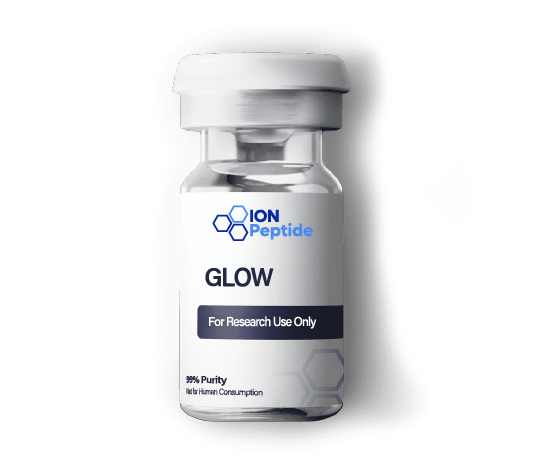
Peptides have emerged as powerful agents in skincare, known for their ability to stimulate collagen synthesis, which is vital for maintaining skin elasticity and firmness. Products containing peptides can help improve the skin's moisture levels, enhance barrier functions, and reduce the appearance of fine lines and wrinkles. By promoting cell turnover and repairing damaged skin, peptides contribute to a vibrant and youthful complexion. Additionally, formulations such as GLOW specifically leverage these properties to create a visible radiance.
How Peptides Influence Aging
Aging is accompanied by a decline in collagen production, leading to sagging skin and wrinkles. Peptides can help counteract these effects by signaling the skin to produce more collagen and elastin. Some studies suggest that particular peptides can inhibit the breakdown of collagen and stimulate new synthesis, thus fighting signs of aging from within. Moreover, peptides can support skin repair mechanisms, enhancing the skin’s ability to recover from environmental stressors like sun exposure and pollution.
Research Findings on Peptides and GLOW
Recent studies have reinforced the role of peptides in enhancing skin luminosity and texture. The GLOW product exemplifies how specific blends of peptides can improve hydration levels and promote a more youthful appearance. Clinical trials indicate that users experience increased skin radiance and a reduction in dark spots when using peptide-infused formulas. This evidence showcases the potential for peptides not only to prevent aging but also to actively enhance skin vitality and tone.
Peptide Applications in Skincare Products
Types of Peptides Used in Skincare
Skincare formulations utilize various types of peptides, such as:
- Hexapeptides: Known for their wrinkle-reducing properties, they mimic the action of botulinum toxin without injections.
- Matrixyl: A well-researched peptide that stimulates collagen production, particularly beneficial for anti-aging.
- Tripeptides: Aids in reducing inflammation and promoting healing, making them ideal for sensitive skin.
- Palmitoyl Pentapeptide: Enhances skin barrier function and hydration while diminishing fine lines.
Guidelines for Using Peptide Products
To maximize the efficacy of peptide-based skincare products, consider the following guidelines:
- Start Slowly: Introduce one peptide product at a time to monitor skin reactions and effectiveness.
- Consistency is Key: Use products regularly to observe noticeable improvements over time.
- Layer Correctly: Apply peptide products in the correct order, usually after cleansing and before moisturizers.
- Combine Wisely: Pair peptides with other beneficial skincare ingredients like hyaluronic acid for added hydration.
Potential Challenges with Peptide Formulations
Although peptides offer numerous benefits, there are challenges in formulating effective products. These include:
- Stability Issues: Peptides can be unstable in the presence of light and air, so they require careful formulation techniques.
- Pore Penetration: Some peptides may struggle to penetrate the skin barrier effectively.
- Contextual Efficacy: The effectiveness can vary depending on the product, formulation, and dosage.
Researchers are addressing these challenges through enhanced delivery systems and stabilizing compounds, ensuring that consumers receive the full benefits of peptide technology.
Peptide Research: Current Trends and Future Directions
Recent Breakthroughs in Peptide Therapy
In the field of aesthetics, the development of multifunctional peptides marks a significant breakthrough. Recent innovations include peptides that not only promote collagen synthesis but also offer anti-inflammatory and skin-brightening properties. Such advancements allow for the formulation of comprehensive skincare products with synergistic effects.
Emerging Studies and Findings
Research continues to expand our understanding of how peptides can be harnessed for dermatological applications. Recent findings suggest that combining different peptides could amplify their effects, leading to products that are more effective than those containing a single type. Additionally, ongoing studies are exploring the potential of peptides in treating specific skin conditions like acne, rosacea, and hyperpigmentation, paving the way for targeted therapies.
What’s Next for Peptide Research?
Looking forward, the future of peptide research appears promising. With advancements in biotechnology, researchers aim to create designer peptides tailored towards specific skin issues. Innovations such as nano-encapsulation techniques may improve absorption and stability. Furthermore, the integration of artificial intelligence in research could enhance the discovery of new peptides with powerful effects. The growth of personalized skincare solutions is likely to transform individual skincare routines, making peptide research more relevant than ever.
FAQs About Peptide Research
What skin conditions can peptides help treat?
Peptides may help treat various skin conditions, including fine lines, wrinkles, dryness, and uneven skin tone. Their ability to stimulate collagen production can aid in combating signs of aging.
Are peptide creams effective for anti-aging?
Yes, peptide creams are effective for anti-aging as they promote collagen synthesis, enhance skin elasticity, and reduce fine lines, resulting in a more youthful appearance with consistent use.
How should I apply peptide products?
Apply peptide products after cleansing and toning, usually as a serum or in your cream. Follow with a moisturizer and sunscreen during the day for optimal results.
Can peptides be used along with other skincare ingredients?
Yes, peptides can be safely combined with other skincare ingredients like hyaluronic acid and antioxidants, maximizing their benefits. Avoid using them with highly acidic products to prevent irritation.
What safety measures should I consider with peptides?
While generally safe, it's crucial to patch test new peptide products to monitor for allergies or irritation. Always consult with a dermatologist for personalized advice, especially if you have sensitive skin.