
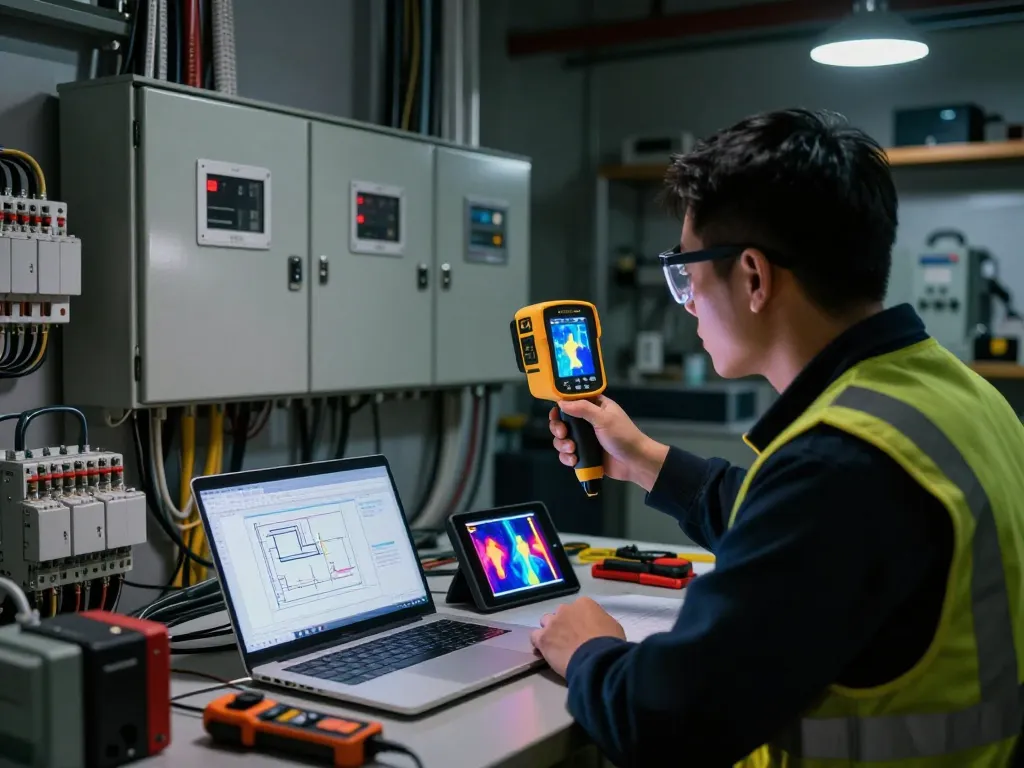
Understanding Thermal Cameras for Electrical Inspection
In today’s fast-paced world, thermal cameras have become indispensable tools for professionals in various industries, particularly in electrical inspection. These devices allow for quick identification of issues such as overheating components, unbalanced loads, and potential electrical hazards. For electricians and technicians, the capability to make precise thermal measurements empowers them to perform their jobs more efficiently and safely. Among the latest advancements in thermal imaging technology, the thermal camera for electrical inspection stands out for its excellent features and performance.
What is a Thermal Camera?
A thermal camera is a non-contact imaging device that detects infrared radiation emitted by objects and converts it into visible images. Unlike traditional cameras that work with visible light, thermal cameras visualize temperature differences, allowing users to identify heat patterns and anomalies. This technology is extensively used in various applications, from electrical inspections to building diagnostics, HVAC evaluations, and mechanical maintenance.
How Thermal Cameras Work for Electrical Analysis
Thermal cameras operate based on the principles of thermography, which involves capturing the infrared energy that all objects emit. As objects heat up, they release more infrared radiation, which the camera’s sensor detects. The resulting thermal image displays various colors that represent different temperature levels, with warmer areas typically shown in red or yellow and cooler areas in blue or green. By analyzing these images, technicians can quickly pinpoint electrical issues such as overloads, shorts, and faulty connections.
Key Features of the HANMATEK Ti240
The HANMATEK Ti240 thermal camera is an upgraded imaging tool designed for professionals and enthusiasts alike. With an infrared resolution of 240 × 240 pixels and a thermal sensitivity of ≤60 mK, it offers enhanced image quality and detail. Notably, the camera features TISR (Thermal Image Super Resolution) technology, which allows for sharper images and improved anomaly detection. Other key features include a wide temperature measurement range of -20°C to 550°C, a refresh rate of 25 Hz, and user-friendly operation through its intuitive interface.
Benefits of Using Thermal Cameras in Electrical Inspections
Identifying Potential Failures Early
One of the most significant advantages of thermal cameras is their ability to identify potential failures before they escalate into serious issues. By routinely inspecting electrical systems with a thermal camera, technicians can detect hotspots, which may indicate overloaded circuits or failing components. Early detection not only prevents equipment damage but also reduces downtime and repair costs.
Improving Safety Standards
Thermal imaging technology plays a vital role in enhancing workplace safety. By allowing technicians to perform inspections from a safe distance, thermal cameras minimize the risk of electrical shock and other hazards. Regular thermal inspections can foster a proactive safety culture in organizations, ensuring that potential risks are mitigated before they lead to accidents.
Enhancing Efficiency in Inspections
Thermal cameras significantly streamline the inspection process. Traditional methods often require manual checks and time-consuming procedures, while thermal imaging allows for quick scanning of large areas in a fraction of the time. This efficiency not only increases productivity but also ensures that inspections are thorough, reducing the chance of overlooked issues.
Technical Specifications of the HANMATEK Ti240
IR Resolution and Sensitivity Explained
The Ti240’s IR resolution of 240 × 240 pixels is a standout feature, providing users with clear and detailed thermal images. The thermal sensitivity of ≤60 mK ensures that even the smallest temperature differences can be detected, making it suitable for various applications, including sensitive electrical inspections.
Operating Temperature Range and Accuracy
With an operating temperature range from -20°C to 550°C, the HANMATEK Ti240 is versatile enough to handle a wide variety of inspection scenarios. The camera achieves measurement accuracy of ±2°C or ±2%, ensuring reliable data collection for consistent analysis across different applications.
Battery Life and Portability Features
Portability is an essential aspect for professionals who need to carry equipment to various job sites. The Ti240’s built-in 2000 mAh rechargeable lithium battery offers up to 9 hours of continuous operation, making it well-suited for long inspection sessions without the need for frequent recharging. The camera’s ergonomic design further enhances ease of use during inspections.
Practical Applications of the HANMATEK Ti240
Electrical Panel Inspections
Thermal cameras are crucial in inspecting electrical panels for signs of overheating, loose connections, and even potential fire hazards. Using the HANMATEK Ti240, electricians can effectively assess the condition of fuses, breakers, and connections to ensure system reliability.
HVAC System Evaluations
In HVAC systems, temperature imbalances can indicate refrigerant leaks, duct insulation failures, or inefficiencies in equipment. The Ti240 enables technicians to quickly identify these issues, facilitating timely repairs and maintenance.
Building Envelope Assessments
Thermal cameras help identify insulation deficiencies and air leaks in building envelopes. By using the HANMATEK Ti240, inspectors can pinpoint areas that require attention, which ultimately contributes to energy efficiency and occupant comfort.
Future Trends in Thermal Imaging for Electrical Inspections
Advancements in Technology and Imaging
The thermal imaging field is continuously evolving, with advancements such as enhanced sensors and artificial intelligence integration promising to improve accuracy and usability further. Future thermal cameras will likely offer even higher resolutions and smarter features, making inspections more efficient and comprehensive.
Integration with IoT and Smart Devices
As the Internet of Things (IoT) continues to grow, integrating thermal cameras with smart devices will become more commonplace. This integration will allow for real-time monitoring and analytics, enabling predictive maintenance and improving overall system management.
Emerging Best Practices for Professionals
As technology advances, it is crucial for professionals to stay updated with best practices in thermal imaging. Regular training and education on the latest techniques, tools, and safety protocols will ensure that technicians maintain high standards in their inspection processes.
What maintenance does a thermal camera require?
Maintaining a thermal camera is essential for consistent performance. Regularly clean the lenses, calibrate the device as per the manufacturer’s guidelines, and check the battery health to ensure optimal functionality.
Can the HANMATEK Ti240 be used outdoors?
Yes, the HANMATEK Ti240 is designed for outdoor use, featuring an IP54 rating for dust and splash resistance. This durability makes it suitable for various inspection environments, including construction sites and industrial facilities.
What makes thermal imaging essential for electricians?
Thermal imaging provides electricians with a non-invasive method to detect potential issues early, reducing risks and improving the reliability of electrical systems. The ability to visualize heat patterns is invaluable for diagnosing problems that might not be evident through manual inspections.
How can thermal imaging prevent electrical hazards?
By identifying hotspots and abnormal temperature variations, thermal imaging facilitates the early detection of faults that could lead to electrical failures or fire hazards. Regular thermal inspections significantly enhance safety and reliability in electrical systems.
Are there any limitations to thermal cameras?
While thermal cameras are powerful tools, they do have limitations. They cannot detect issues not associated with temperature changes, such as electrical arcing or structural problems that do not cause significant thermal variations. Additionally, the accuracy of readings may be affected by environmental factors such as heavy rain or fog.




More Stories