
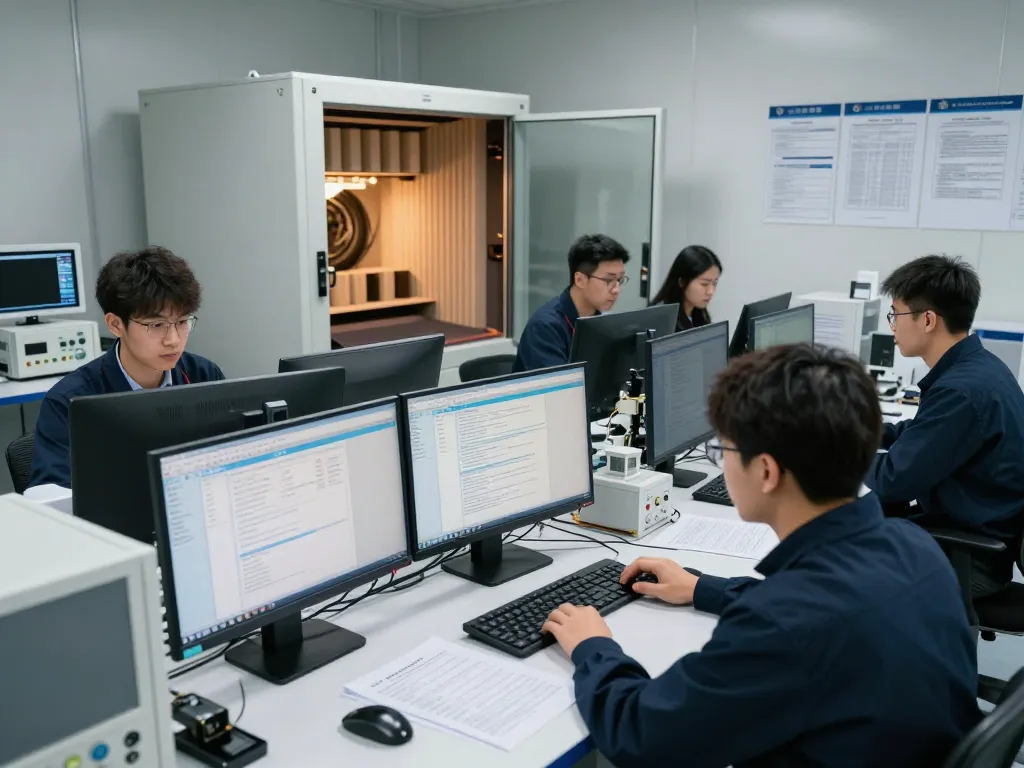
Understanding ETSI Compliance Standards
The European Telecommunications Standards Institute (ETSI) plays a crucial role in establishing compliance standards that ensure the interoperability and reliability of telecommunication technologies. As a not-for-profit standardization organization, ETSI is involved in the development of globally applicable standards for information and communication technologies (ICT). Understanding ETSI compliance is vital for manufacturers and developers in the telecommunications, automotive, and medical devices sectors, as it sets the foundation for regulatory adherence. When exploring options, ETSI provides comprehensive insights and guidelines that facilitate compliance in these rapidly evolving industries.
What is ETSI?
Founded in 1988 and headquartered in Sophia Antipolis, France, ETSI develops standards to ensure that telecommunication and electronic industries operate efficiently and effectively. The organization comprises 900 members from various sectors, including network operators, manufacturers, research institutes, and government agencies, working collaboratively to create standards that enhance user experience and drive innovation. ETSI standards cover a wide range of technologies, from mobile communications to broadband, and their influence extends globally, impacting how devices communicate and function.
Importance of ETSI in Telecommunications
In the telecommunications sector, ETSI standards are critical for achieving interoperability among devices, systems, and networks. This is especially relevant in an era characterized by rapid advancements in technology and consumer demand for seamless connectivity. Compliance with ETSI ensures that products can operate across different networks and adhere to essential regulations, easing market entry and expansion. Furthermore, the establishment of performance benchmarks promotes competition and drives technological advancements within the industry.
Key ETSI Standards for Automotive EMC
The automotive industry is increasingly reliant on electronic systems and components, making it essential for manufacturers to comply with EMC (Electromagnetic Compatibility) standards issued by ETSI. Notable standards include ETSI EN 301 489, which governs EMC requirements for radio equipment and services. Adhering to these standards ensures that vehicles are not only safe and functional but also compliant with broader European regulations, thus facilitating smoother access to markets and ensuring driver and passenger safety.
Benefits of Using Stancer Testing-Lab
Stancer Testing-Lab is dedicated to providing high-quality EMC and RF testing services that align with ETSI standards. By leveraging advanced testing facilities and experienced personnel, Stancer offers a unique value proposition for companies seeking compliance. The lab’s streamlined processes result in faster product approvals, enabling companies to bring their innovations to market more quickly.
Advanced Testing Facilities Overview
Stancer Testing-Lab boasts state-of-the-art testing facilities equipped with the latest technology for conducting precise and reliable EMC and RF tests. This ensures that all tests meet international standards, including those set forth by ETSI. Laboratories are outfitted with anechoic chambers, EMI (Electromagnetic Interference) testing equipment, and RF testing setups that facilitate comprehensive analysis of electromagnetic emissions.
Expertise in EMC and RF Testing
The engineering team at Stancer has extensive experience in EMC and RF testing across a variety of industries. Their expertise allows for accurate evaluations of product performance against ETSI standards, ensuring that clients can trust their compliance outcomes. This depth of knowledge also provides clients with actionable insights and recommendations for optimizing product design in line with regulatory requirements.
Comprehensive Compliance Analysis
Stancer Testing-Lab offers detailed compliance analysis and reporting, which are integral to the testing process. Clients receive comprehensive reports that outline test procedures, results, and recommendations for any necessary design modifications. This thorough approach helps manufacturers understand compliance requirements and make informed decisions about their products’ design and testing strategies.
Testing Procedures and Methodologies
Understanding the testing procedures and methodologies employed by Stancer Testing-Lab is essential for manufacturers aiming to achieve ETSI compliance. The rigorous testing protocols establish a framework for evaluating and certifying products across different sectors.
Preparation and Consultation Steps
Before any testing occurs, Stancer provides an initial consultation to understand the client’s specific product requirements and intended use. This step is crucial for defining the testing scope and ensuring all relevant compliance standards are addressed. Clients are guided through the process, instructions on preparing their product for testing, and the documentation needed for regulatory submissions.
Conducted Emission and Immunity Testing
Conducted emission testing measures the electromagnetic noise emitted by electrical devices, while immunity testing assesses how well a device can withstand interference from external electromagnetic sources. Both types of testing are essential for ensuring compliance with ETSI standards and are conducted meticulously to provide accurate results. Stancer utilizes advanced testing techniques to evaluate both emissions and immunity, offering clients a complete understanding of their product’s EMC performance.
Understanding Test Reports and Findings
After testing, clients receive thorough reports detailing the findings, including both compliance status and areas needing improvement. This feedback is crucial for iterating product designs and ensuring that they meet ETSI standards. Stancer’s reports succinctly present data in formats that facilitate easy interpretation and decision-making for further development.
Industries Impacted by ETSI Compliance
ETSI compliance impacts numerous industries, particularly those heavily reliant on telecommunications and electronic systems. This section will explore how different sectors integrate ETSI standards into their operations.
Telecommunications Sector Needs
The telecommunications industry is at the forefront of ETSI compliance due to its reliance on effective communication systems. Compliance with ETSI standards not only enhances network reliability but also ensures that service providers can offer quality services to consumers. This is particularly important as the demand for high-speed internet and mobile connectivity continues to rise.
Impact on Automotive Industry Standards
As vehicles become increasingly sophisticated, the necessity for compliance with ETSI standards grows. The automotive sector must adhere to stringent regulations regarding the electronic systems within vehicles, including those that affect safety, navigation, and communication. Non-compliance can lead to product recalls and significant financial losses, emphasizing the importance of rigorous testing protocols in this sector.
Regulatory Compliance in Medical Devices
In the medical device industry, compliance with ETSI standards is vital for ensuring the safety and efficacy of electronic medical devices. Adherence to these standards fosters trust and accountability among manufacturers and healthcare providers, which is essential for safeguarding patient welfare. The potential for regulatory audits necessitates strict compliance to mitigate risks associated with product failures.
Future Trends in Compliance Testing for 2026
As technology evolves, compliance testing must adapt to keep pace with new developments. Understanding future trends in compliance will be essential for manufacturers looking to stay ahead of the curve.
Emerging Technologies and Testing Needs
Emerging technologies such as 5G, Internet of Things (IoT), and autonomous vehicles are reshaping the landscape of compliance testing. Each of these technologies presents unique challenges and testing requirements, necessitating advancements in testing methodologies to ensure that new products meet ETSI standards effectively.
Adapting to New Regulatory Requirements
Regulatory landscapes are continuously changing, and manufacturers must remain vigilant in adapting to new requirements. Staying informed about amendments to ETSI standards and integrating them into product development processes is essential for maintaining compliance and avoiding potential legal pitfalls.
Real-World Case Studies and Applications
Case studies provide valuable insights into how companies have successfully navigated ETSI compliance challenges. Examples highlight the importance of thorough testing and prompt adaptations to design based on compliance assessments. Such real-world applications serve as guiding examples for other manufacturers in the industry.
How to Get Started with ETSI Compliance?
Beginning the journey towards ETSI compliance involves understanding the relevant standards that apply to your product. Engaging with testing laboratories such as Stancer Testing-Lab early in the design process can streamline compliance. Preparation, consultation, and iterative testing are key steps in achieving successful certification.
Common Challenges in Achieving Compliance
Manufacturers often face several challenges, including the complexity of ETSI standards, rapid technological advancements, and the costly nature of compliance testing. Addressing these challenges through thorough planning and collaboration with testing laboratories can mitigate risks and streamline the compliance process.
ETSI Certification FAQs
Frequently asked questions about ETSI certification provide critical insights for manufacturers navigating the certification landscape. Understanding the certification process, timelines, and requirements is essential for effective planning and compliance effort.




More Stories
6 Critical pc optimizer Metrics You Should Track for Effective Cybersecurity
dejny.eu Head to Head: Innovative Digital Portfolio Strategies for Creative Minds
ulpressbureau.ma Case Study: Proven Strategies for Laptop Shopping Success